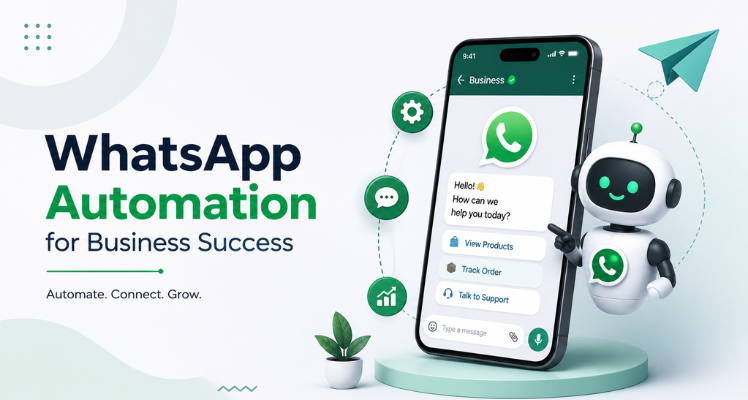
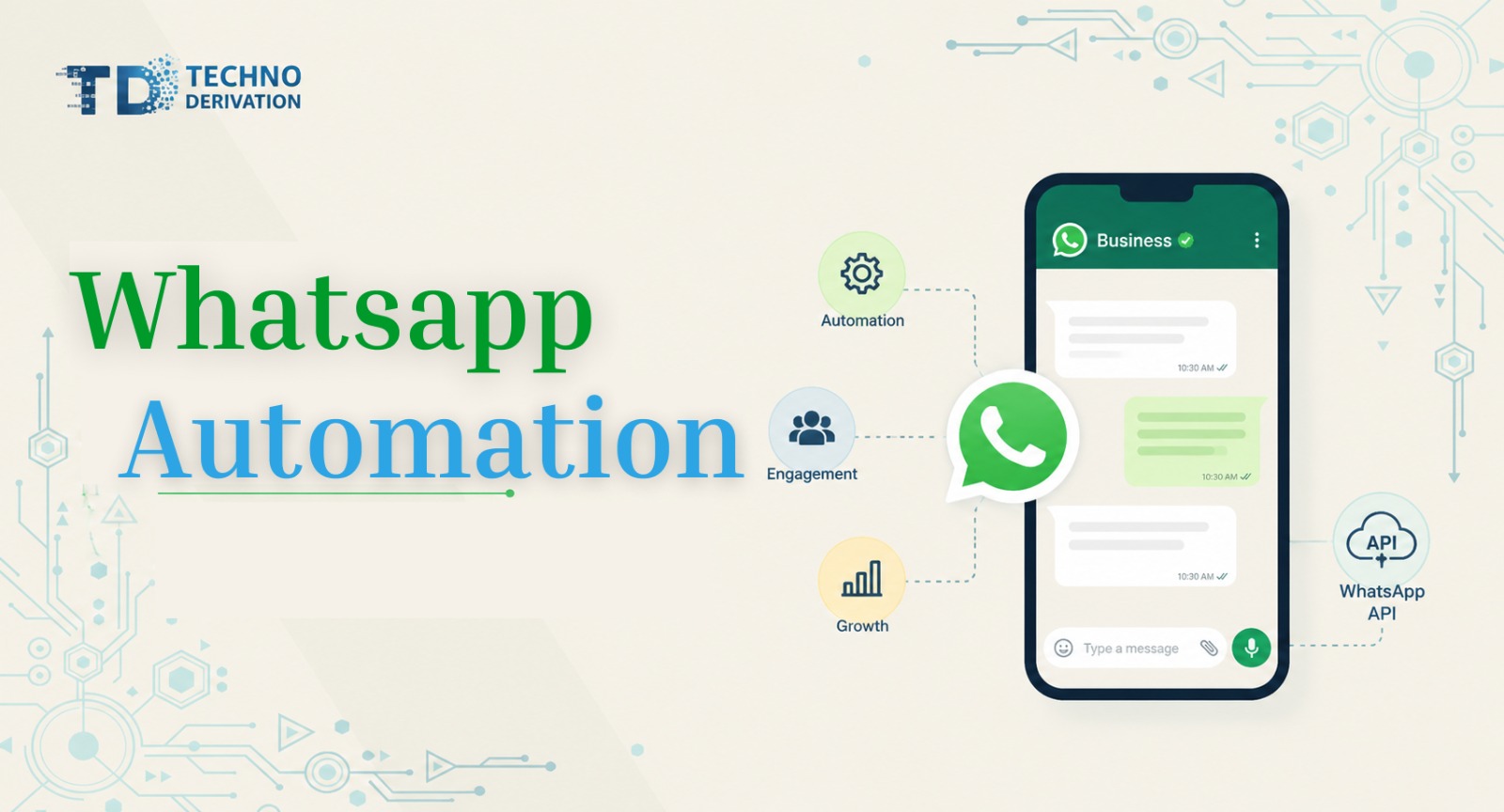
In today’s fast-moving digital world, customers expect quick, personal, and convenient communication. WhatsApp is a popular messaging app with more than 2 billion active users worldwide and is now one of the top ways for companies to communicate to their customers. But responding to every message manually simply is not scalable. That is where WhatsApp Automation steps in.
WhatsApp automation lets companies deliver the correct message to the appropriate person at the correct date and time automatically. If you’re following up on the purchase or responding to a typical question or encouraging the sales leads Automation makes it feasible with minimal effort from the team.
This guide breaks down everything you need to know about WhatsApp automation, including the types of services available, how they work, and how your business can start using them today.
WhatsApp Automation is using software tools and APIs that allow you to send messages and receive, and handle WhatsApp messages with no manual effort. Instead of having to have a human write and transmit every message, automatic systems take care of the repetitive task of sending confirmations for orders, appointments, reminders, leads, follow-ups, and FAQs, as well as customer support inquiries.
Companies of all sizes ranging starting from small businesses to corporations – utilize WhatsApp automation to speed up the time to respond, reduce expenses, and enhance the overall experience for customers.
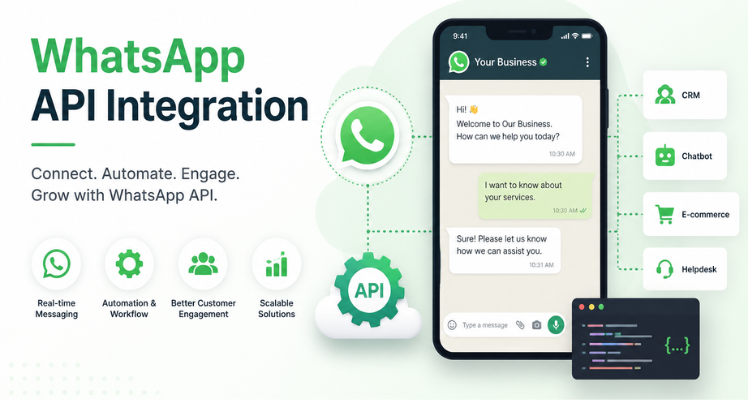
At the heart of any powerful WhatsApp automation system is the WhatsApp API Integration. The WhatsApp Business API (now part of the Meta Cloud API) allows companies to connect WhatsApp with their existing software – including CRMs, e-commerce platforms, marketing tools, and customer support systems.
With a proper WhatsApp API integration, your business can:
Unlike the basic WhatsApp Business app – which is limited to small volumes – the API version has no cap on messaging volume, making it the right choice for growing businesses.
| Pro Tip: WhatsApp API Integration
Always work with an official WhatsApp Business Solution Provider (BSP) when setting up your API integration. This ensures faster approval, better support, and access to the latest features like interactive buttons and catalog messages. |
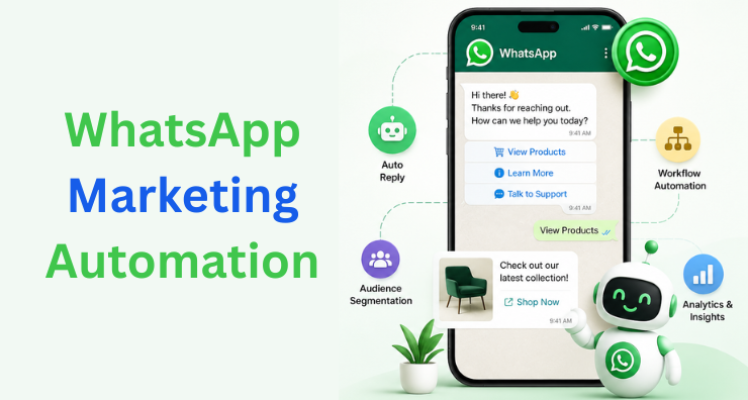
WhatsApp Marketing Automation is the practice of sending automated promotional and informational messages to a targeted list of customers – similar to email marketing, but far more effective.
With WhatsApp marketing automation, your business can run:
Because WhatsApp messages feel personal – they land in the same inbox as messages from friends and family – open rates are dramatically higher than email. Studies show WhatsApp messages achieve open rates as high as 98%, compared to the 20–30% average for email campaigns.
 One of the most significant benefits of the latest WhatsApp automation is its ability to link it up with the customer relationship Management (CRM) platform. WhatsApp CRM Integration allows your support and sales teams to be fully aware of every communication and the lead’s status, as well as the history of your customers, all from one central location.
WhatsApp CRM integration enables your business to:
Popular CRM platforms like HubSpot, Salesforce, Zoho, and Freshsales can all be integrated with WhatsApp automation systems, giving your team a unified view of every customer interaction.
Beyond sales and marketing, WhatsApp Business Automation covers the administrative aspects of your company. From welcoming new clients to delivering invoices or appointment reminders to automate your workflow, it could automate dozens of workflows that are routine.
Common use cases for WhatsApp business automation include:
The result? Your team spends less time on repetitive tasks and more time on work that actually requires human attention. Response times drop, customer satisfaction improves, and your operational costs go down.
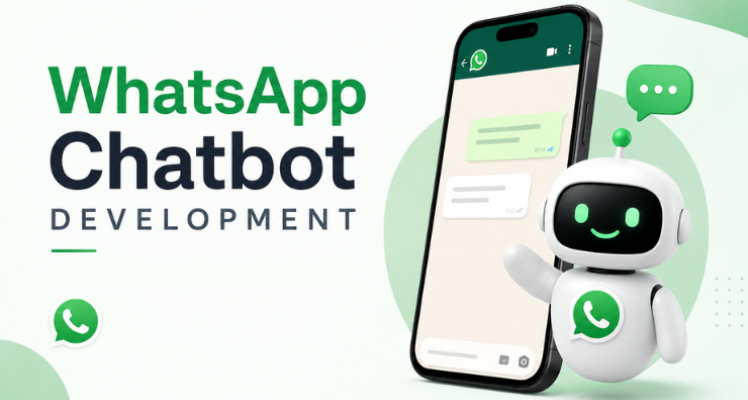
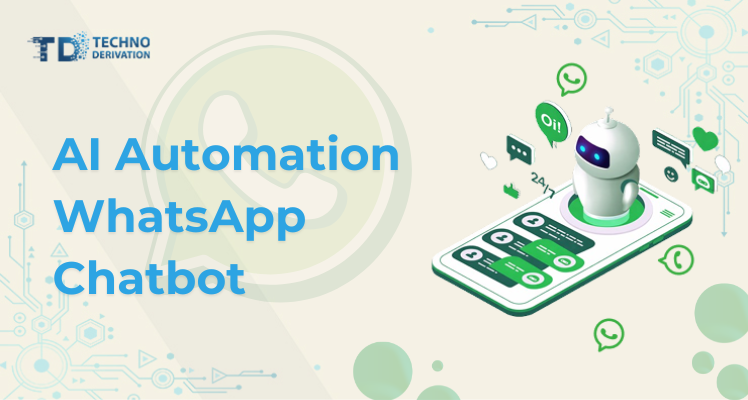
A WhatsApp chatbot is an AI-powered virtual assistant that communicates with your customers directly through WhatsApp – automatically and around the clock. WhatsApp Chatbot Development involves building intelligent bots that can manage messages, address questions, gather information, and help users navigate through the procedure.
Modern WhatsApp chatbots can:
Chatbots powered by natural language processing (NLP) can understand the intent behind a message, not just exact keywords – making conversations feel surprisingly natural and helpful.
| Did You Know?
Businesses using WhatsApp chatbots report a 40–70% reduction in support ticket volume, while customer satisfaction scores often increase because users get immediate answers instead of waiting hours for a reply. |
Setting up all of the above on your own requires technical expertise, time, and ongoing maintenance. This is the reason why many businesses prefer expert WhatsApp Automation Services providers who take care of everything from API setup to chatbot education to managing campaigns.
When evaluating a WhatsApp automation service provider, look for:
Techno Derivation develops platforms like WhatsApp automation that are purpose-built for businesses that want measurable results. The solutions they offer cover the full array that includes API integration and chatbot development as well as CRM integration, automated campaigns – meaning there is no need to join several tools or companies.
Ready to implement WhatsApp automation for your business? Here is a simple roadmap to follow:
Step 1 – Define Your Goals: Decide what you want to automate first. The most common starting point is the FAQs for customer service, lead capture, or order notifications.
Step 2 – Apply for API Access: Work with an official solution supplier to submit an application for WhatsApp Business API access through Meta.
Step 3 – Choose Your Tools: Select an automation system that can be integrated with your CRM, as well as any other applications.
Step 4 – Build Your Flows: Map out the conversation flows and automated message sequences you need.
Step 5 – Test and Launch: Test your automations with a small group, measure results, then roll out to your full audience.
Step 6 – Monitor and Optimize: Track open rates, response rates, and conversion data – then refine your flows over time.
WhatsApp automation isn’t something to be desired but is rapidly becoming a necessity for every business looking to remain competitive, flexible, and efficient. From WhatsApp API integration and marketing automation to chatbot development and CRM sync, the possibilities are vast, and the ROI is proven.
It doesn’t matter if you’re a tiny business owner trying to save time or an enterprise group seeking to expand customer interaction, WhatsApp automation has a solution to meet your requirements and budget.
Begin small and start automating the least repetitive aspects of the customer experience and then expand from there. Companies that use WhatsApp automated processes now are those whose rivals will try to keep up.






































Multiple lines of text that form the lede, informing new readers quickly and efficiently about what’s most interesting in this post’s contents.
Get Free Consultation Call

Shipra Path, Mansarovar, Jaipur, Rajasthan - 302020, India
+91 95498 28228
Newsworld, 30 Charles St,Leicester LE1 3FG, United Kingdom
sales@technoderivation.com
Street J82 Road L125 Garden Street 2 Plateaux Vallons Cocody Abidjan
info@technoderivation.com